If you’re over 40 and notice that your energy isn’t as steady as it once was, you’re not alone.
Many adults begin experiencing subtle changes in circulation as they age — things like slower recovery after exercise, colder hands and feet, or feeling fatigued even after a full night’s sleep. These shifts often happen gradually, so they’re easy to dismiss or chalk up to “just getting older.”
But one of the most important factors behind these changes is declining blood flow, closely linked to reduced nitric oxide production in the body.
Understanding why blood flow declines after 40 — and what you can do about it — can help you make informed, practical choices to support long-term health and vitality.
How Aging Affects Blood Flow
Healthy blood flow depends on flexible, relaxed blood vessels that allow oxygen and nutrients to move freely throughout the body.
As we age, several things begin to change:
- Blood vessels gradually lose elasticity
- Inflammation increases at a low, chronic level
- The body produces less nitric oxide
- Oxidative stress breaks nitric oxide down more quickly
Nitric oxide is a naturally produced molecule that signals blood vessels to relax and widen. When nitric oxide levels drop, circulation becomes less efficient, even if no major health condition is present.
This is why many experts emphasize nitric oxide support when discussing how to boost blood flow after 40.
Nitric Oxide Decline After 40: What’s Happening?
In younger adults, the body produces nitric oxide efficiently through enzymes that convert certain amino acids and dietary nitrates.
After 40:
- These enzymes become less active
- Nitric oxide breaks down faster
- Stress and poor sleep interfere with production
- Diet alone may no longer provide enough support
This doesn’t mean something is “wrong” — it means the body needs more intentional support.
Common Symptoms People Often Ignore
Reduced blood flow doesn’t usually announce itself loudly. Instead, it shows up in ways many people overlook:
- Low or inconsistent energy
- Feeling winded more easily
- Cold extremities
- Mild brain fog
- Reduced stamina
- Slower muscle recovery
- Less motivation for physical activity
Because these symptoms develop slowly, many people don’t realize circulation is at the root.
Why Boosting Blood Flow Matters After 40
Healthy circulation supports nearly every system in the body, including:
- Heart and vascular function
- Muscle performance and recovery
- Cognitive clarity
- Sexual health
- Overall energy and endurance
When blood flow improves, tissues receive oxygen and nutrients more efficiently, allowing the body to function as intended.
That’s why strategies to boost blood flow after 40 focus on restoring balance rather than quick fixes.
Lifestyle Approaches to Boost Blood Flow After 40
Lifestyle habits remain the foundation of good circulation and should always come first.
1. Regular Movement
Walking, cycling, swimming, and light strength training encourage blood vessel flexibility and nitric oxide release.
Consistency matters more than intensity.
2. Nutrition
Foods that support nitric oxide production include:
- Leafy greens
- Beets
- Citrus fruits
- Garlic
- Pomegranate
These foods provide nitrates and antioxidants that support vascular health.
3. Hydration
Proper hydration helps maintain blood volume and circulation efficiency.
4. Stress and Sleep
Chronic stress and poor sleep reduce nitric oxide availability and increase inflammation.
Breathing exercises, prayer, meditation, and consistent sleep schedules can make a meaningful difference.
When Lifestyle Alone Isn’t Enough
Many adults do everything “right” — eating well, staying active — yet still feel limited by low energy or circulation.
This is where targeted supplementation can play a role.
After 40, the body often needs more than food and exercise alone to maintain optimal nitric oxide levels. This is not a failure of discipline — it’s a biological reality.
How Supplements Support Blood Flow
Nitric oxide supplements don’t provide nitric oxide directly. Instead, they supply nutrients that help the body produce and preserve it naturally.
Effective formulas often include:
- Amino acids like L-arginine or L-citrulline
- Plant extracts such as beetroot
- Antioxidants that protect nitric oxide from breakdown
When used consistently, these supplements can complement lifestyle habits to support healthier circulation.
Why Nitric Boost Stands Out
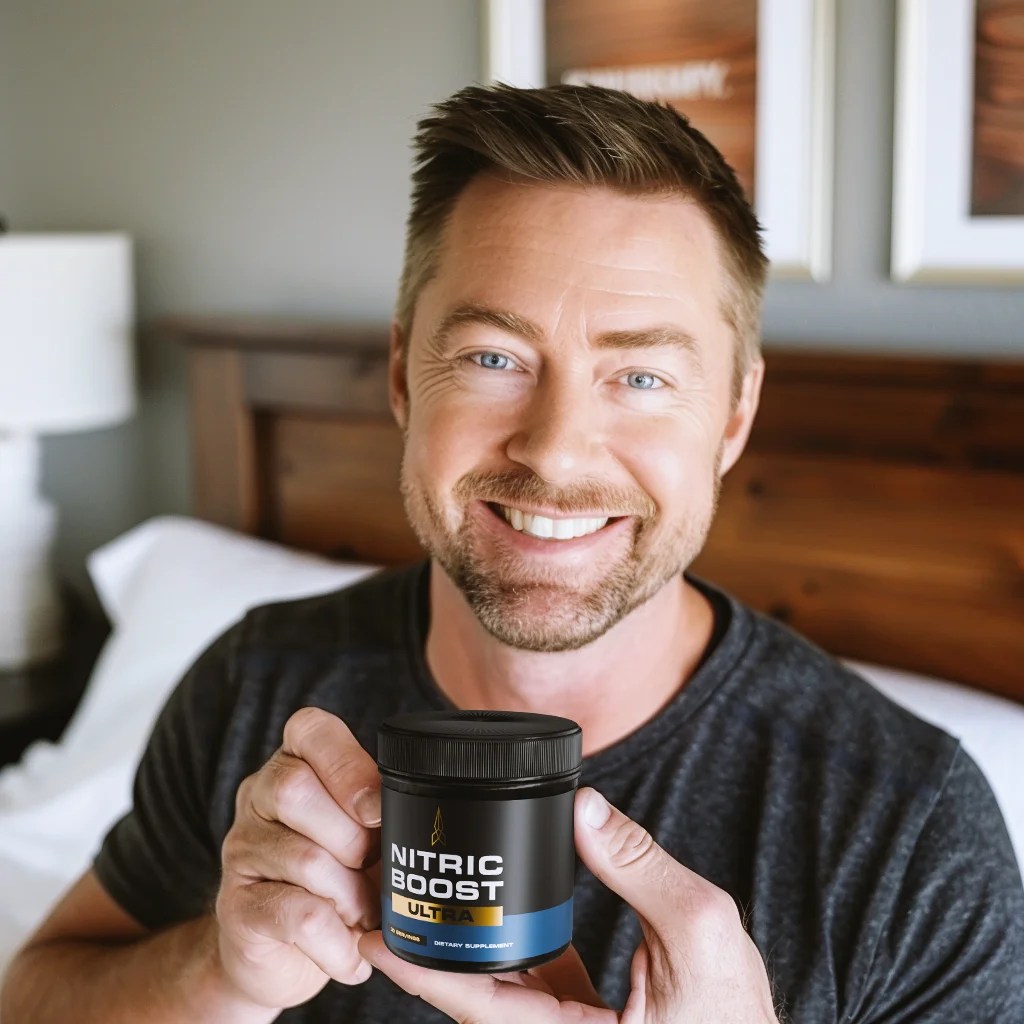
Nitric Boost is formulated specifically to support nitric oxide production and blood flow as the body ages.
What sets it apart is its focus on:
- Non-stimulant ingredients
- Circulation support rather than temporary energy spikes
- Daily, sustainable use
Rather than relying on caffeine or harsh stimulants, Nitric Boost supports the body’s natural pathways involved in vascular health.
For those researching ways to boost blood flow after 40, it offers a balanced, long-term approach.
You can learn more about Nitric Boost here:
👉 Learn more about Nitric Boost
Lifestyle vs. Supplementation: Which Is Better?
This isn’t an either-or decision.
Lifestyle habits build the foundation
Supplementation provides targeted support.
Together, they work synergistically.
People who see the best results typically:
- Stay moderately active
- Eat a nutrient-dense diet
- Manage stress
- Use a nitric oxide supplement consistently
Frequently Asked Questions
❓ How long does it take to improve blood flow?
Lifestyle changes may take weeks to months. Supplements often provide gradual support within a few weeks when used consistently.
❓ Are nitric oxide supplements safe?
Most use well-studied ingredients, but it’s always best to consult a healthcare professional, especially if you take medications.
❓ Can I boost blood flow after 40 naturally?
Yes. Diet, exercise, stress management, and supplementation all play a role.
❓ Do I need caffeine for energy?
Not necessarily. Improving circulation can support natural energy without stimulants.
❓ Is Nitric Boost only for men?
No. Healthy blood flow is essential for both men and women, especially as they age.
Final Thoughts
Blood flow naturally declines with age, but that doesn’t mean you’re powerless.
By understanding how nitric oxide changes after 40 — and supporting it intentionally — you can take meaningful steps toward better circulation, energy, and overall well-being.
For those exploring ways to boost blood flow after 40, combining healthy habits with targeted support like Nitric Boost is a practical, sustainable approach.




 VitalFlow Journal