
For years, coffee may have felt like a reliable solution for low energy. One cup in the morning, another in the afternoon — and you were good to go.
Then something changes.
After 40, many people notice that coffee doesn’t seem to work the same way anymore. You may feel a brief lift followed by a crash, jitteriness without real energy, or no noticeable effect at all. Some people even find that coffee makes them feel more tired later in the day.
This isn’t your imagination — and it’s not because coffee suddenly “stopped working.” It’s because your body’s energy systems change with age, and caffeine only addresses a small part of the picture.
How Coffee Creates Energy (And Its Limits)
Caffeine doesn’t actually create energy. Instead, it blocks adenosine, a chemical in the brain that signals fatigue. When adenosine is blocked, you feel more alert — temporarily.
In your 20s and 30s, this can feel like a surge of energy because:
- Blood flow is generally efficient
- Stress hormones rebound quickly
- Sleep debt is easier to recover from
- Metabolism clears caffeine faster
After 40, the same mechanism often produces different results.
What Changes After 40
As we age, several biological shifts occur that affect how caffeine feels in the body.
1. Slower Caffeine Metabolism
The liver processes caffeine more slowly with age. This means caffeine stays in your system longer, increasing the likelihood of:
- Jitters
- Sleep disruption
- Afternoon crashes
2. Hormonal Sensitivity
Caffeine triggers cortisol (the stress hormone). After 40, cortisol rhythms can become less balanced, making caffeine feel more stressful than energizing.
3. Reduced Blood Flow
This is one of the most overlooked factors.
Energy isn’t just about stimulation — it’s about oxygen and nutrient delivery. Reduced circulation means muscles and the brain don’t receive what they need to sustain energy, no matter how much caffeine you consume.
The Role of Blood Flow in Energy
Every cell in your body relies on steady blood flow to function properly. Blood delivers:
- Oxygen
- Glucose
- Electrolytes
- Nutrients
When circulation is compromised, energy production suffers.
This is where nitric oxide becomes important.
Nitric oxide is a molecule your body produces to help blood vessels relax and widen. When nitric oxide levels decline — which commonly happens after 40 — blood flow becomes less efficient.
Coffee may make you feel alert, but it cannot fix circulation.
Signs Coffee Is No Longer Supporting Real Energy
Many adults experience these subtle signals:
- Needing more coffee for the same effect
- Energy crashes in the afternoon
- Feeling wired but tired
- Brain fog despite caffeine
- Cold hands or feet
- Poor exercise endurance
These are often signs that stimulation is replacing support.
Why More Coffee Isn’t the Answer
Increasing caffeine intake may worsen the problem by:
- Raising stress hormones
- Disrupting sleep quality
- Dehydrating the body
- Further masking circulation issues
Real, sustainable energy comes from:
- Healthy blood flow
- Efficient oxygen delivery
- Balanced nervous system activity
What Actually Helps Energy After 40
1. Support Blood Flow
Improving circulation helps energy at the source. This includes:
- Daily movement
- Hydration
- Nutrient-dense foods
- Nitric oxide support
2. Focus on Oxygen Delivery
Energy improves when muscles and the brain receive adequate oxygen — something caffeine alone cannot provide.
3. Reduce Reliance on Stimulants
Using fewer stimulants allows your body to restore its natural energy rhythms.
Nitric Oxide and Natural Energy
Nitric oxide plays a central role in:
- Blood vessel relaxation
- Circulation efficiency
- Oxygen delivery
- Endurance and stamina
After 40, nitric oxide production declines naturally. Supporting it can help restore energy in a way coffee cannot.
This is why many people explore natural nitric oxide support rather than increasing caffeine intake.
Where Nitric Boost Fits In
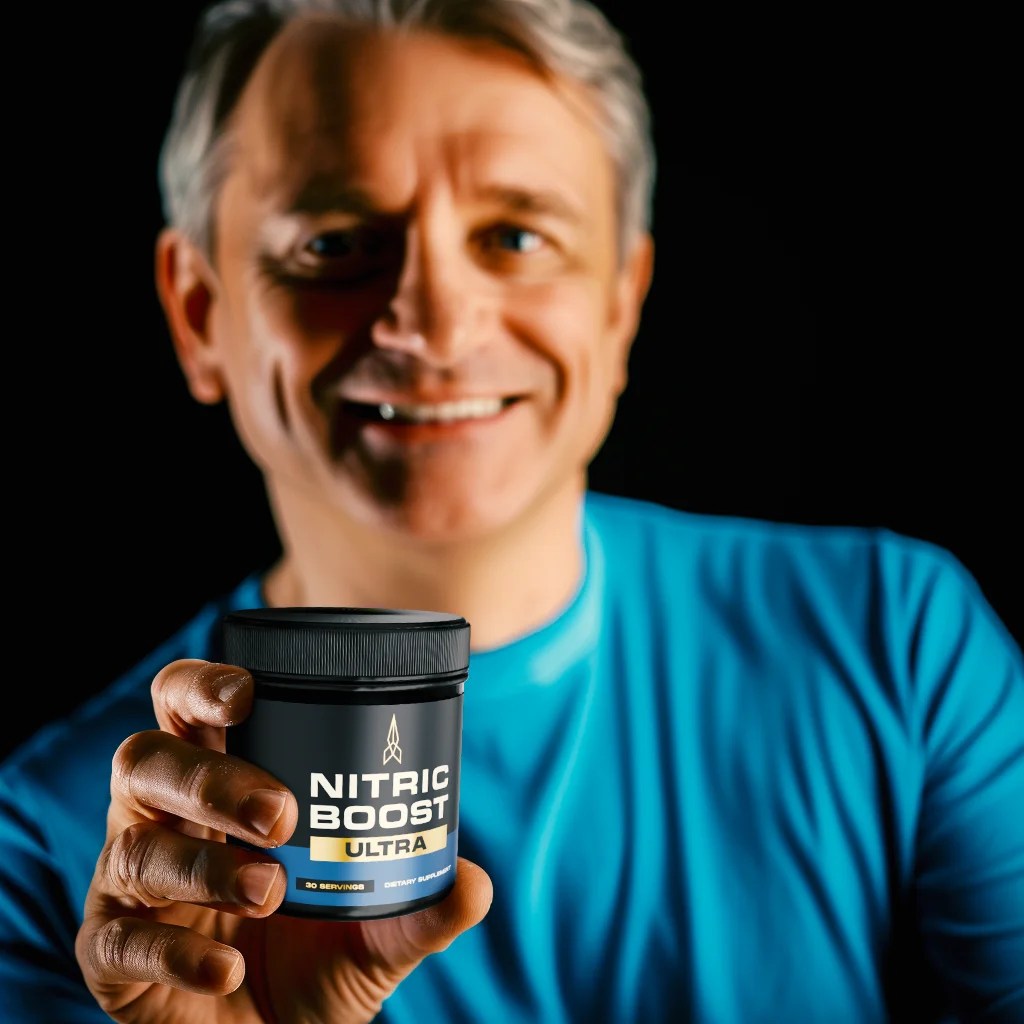
Nitric Boost is designed to support the body’s nitric oxide production and circulation — not to stimulate the nervous system.
Unlike coffee, it:
- Does not rely on caffeine
- Supports blood flow rather than masking fatigue
- Aims to improve energy through circulation
For people who feel that coffee no longer delivers real energy, this type of support can make a meaningful difference over time.
You can learn more about Nitric Boost here:
👉 Learn more about Nitric Boost
A Better Way to Think About Energy
Energy after 40 isn’t about pushing harder — it’s about supporting the systems that fuel your body.
When circulation improves:
- Muscles work more efficiently
- Mental clarity increases
- Daily activities feel easier
- Reliance on stimulants decreases
Coffee may still have a place in your routine, but it shouldn’t be the foundation of your energy strategy.
Final Thoughts
If coffee feels less effective than it used to, it may be signaling something important — not a lack of caffeine, but a need for better circulation and oxygen delivery.
Understanding how blood flow and nitric oxide affect energy can help you move beyond quick fixes and toward sustainable vitality.
For those looking to support energy naturally after 40, focusing on circulation — with tools like Nitric Boost — may offer a more effective, balanced approach.




 VitalFlow Journal
Leave a comment